Silicon-Carbon Alloy
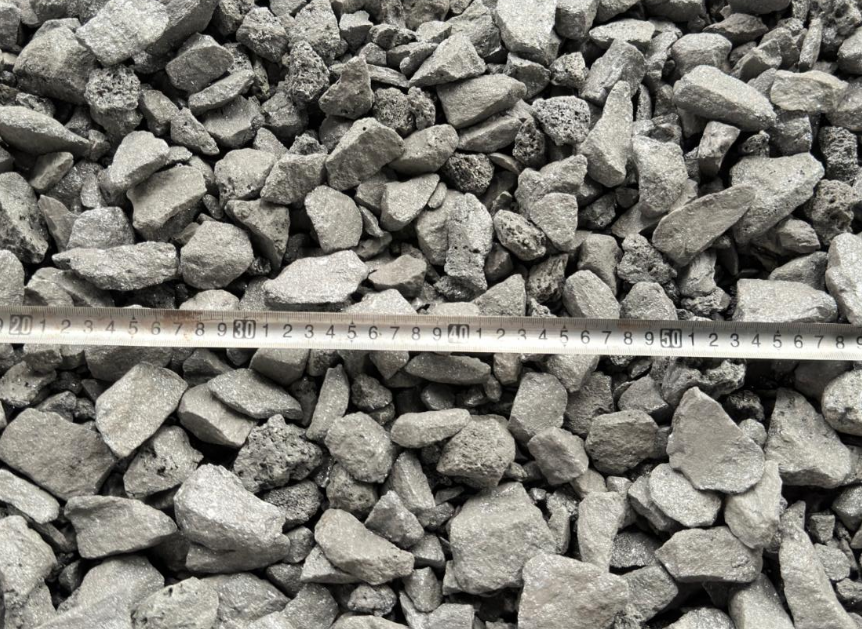
Product Overview: Silicon-carbon alloy is a silicon- and carbon-enriching material developed specifically for the ladle alloying stage. It is used to fine-tune the composition of molten steel, primarily addressing the issues of low absorption rates and poor reproducibility associated with conventional recarburizers when used in over-oxidized molten steel. Issues with conventional recarburizers: Metallurgical and steel enterprises often employ ladle alloying to fine-tune steel composition during the smelting process. When molten steel is in an over-oxidized state, conventional recarburizers—due to their low density—tend to float on the surface; this results in low carbon absorption rates and poor reproducibility, thereby reducing the accuracy of hitting target carbon levels. Furthermore, because they fail to sink into the melt, the reaction interface is limited to the upper layer or surface of the steel, significantly lowering the carbon recovery rate. Carbon-cored wire offers a solution but comes at a high cost: Some steelmakers use carbon-cored wire to mitigate these issues; however, this requires investment in specialized wire-feeding equipment, increases production costs, and complicates operational procedures. The silicon-carbon alloy approach: This product is manufactured from high-purity carbon powder, silicon carbide powder, metallic silicon powder, and low-sulfur/low-nitrogen carbonaceous materials. It features high density and can be processed...